THE WESTERN WALL
“Jerusalem stands as a city where heaven and earth seem to meet, carrying the weight of prayer, promise, and memory in every stone. Loved and contested, it echoes both humanity’s deepest faith and its most enduring conflicts.”

LAST UPDATED: 12/16/2025

WHAT IS THE WESTERN WALL?
The Western Wall, also known as the Wailing Wall, the Kotel, and Burāq Wall, is one of the most sacred and historically significant sites in Judaism, located in the Old City of Jerusalem.
For Jews, the Western Wall represents the closest accessible point to the former Holy of Holies, making it a central place of prayer, reflection, and spiritual connection. The practice of placing written prayers into the cracks between the ancient stones has become an act of faith and perseverance. Beyond its religious importance, to this day it remains a symbol of Jewish faith, history, and continuity, with worshippers actively visiting.
Jerusalem according to Scripture
Jerusalem in the Bible is presented as a city chosen by God and set apart for worship, covenants, and his upcoming divine presence.
The scriptures describes Jerusalem as deeply corrupted by injustice, bloodshed, and idolatry, where leaders oppressed the poor, courts were perverted, and false worship replaced true devotion to God. Because of this persistent sin, the prophets declared that the city had defiled itself and would face judgment despite its sacred status.
Yet throughout the Bible and to many people today; Jerusalem remains a symbol of hope, with promises of final restoration and fulfillment in the vision of the New Jerusalem.
BIBLICAL HISTORY OF JERUSALEM:
1) Warnings Before Destruction
God repeatedly warned judgment would come if corruption and idolatry continued.
- Isaiah 1:21–24 — Jerusalem called a “harlot,” condemned for injustice
- Jeremiah 7:1–15 — Temple sermon warning the city would fall like Shiloh
- Jeremiah 25:8–11 — Prophecy of Babylonian conquest and exile
- Ezekiel 5:5–12 — Judgment pronounced specifically on Jerusalem
- Micah 3:9–12 — Zion prophesied to be plowed like a field
2) Babylonian Destruction (586 BC)
Jerusalem is conquered by Babylon; the First Temple is destroyed.
- 2 Kings 25:1–10 — Siege, destruction of the city and Temple
- 2 Chronicles 36:15–21 — God’s patience exhausted; city burned
- Jeremiah 39:1–10 — Fall of Jerusalem
- Jeremiah 52:12–14 — Temple and walls destroyed
- Lamentations 1:1–4; 2:1–9 — Mourning over Jerusalem’s devastation
3) Exile and Promise of Restoration
Despite destruction, God promises restoration.
- Jeremiah 29:10–14 — Return after 70 years
- Isaiah 44:26–28 — Cyrus named as restorer
- Isaiah 40:1–2 — Comfort promised to Jerusalem
- Ezekiel 36:24–28 — Restoration and renewal
4) Return and Rebuilding (Second Temple)
Exiles return; Jerusalem and the Temple are rebuilt.
- Ezra 1:1–4 — Decree of Cyrus
- Ezra 6:14–16 — Completion of the Second Temple
- Nehemiah 2:17–18 — Rebuilding the walls
- Nehemiah 6:15–16 — Walls completed
- Haggai 1:7–9 — Call to rebuild the Temple
5) Jesus’ Lament and Prophecy of Destruction
Jesus foretells Jerusalem’s coming destruction.
- Matthew 23:37–38 — “Your house is left unto you desolate”
- Matthew 24:1–2 — Not one stone left upon another
- Luke 19:41–44 — Jesus weeps over Jerusalem
- Luke 21:20–24 — Siege and destruction described
6) Roman Destruction (AD 70)
Fulfillment of Jesus’ prophecy; Second Temple destroyed.
- Luke 21:6 — Temple destroyed
- Matthew 24:15–21 — Great tribulation tied to Jerusalem
7) Future Hope and Final Jerusalem
Jerusalem’s ultimate redemption is promised.
- Isaiah 2:2–4 — Jerusalem as center of peace
- Zechariah 14:9–11 — Jerusalem restored and secure
- Ezekiel 48:35 — “The LORD is there”
- Revelation 21:1–4, 10–27 — The New Jerusalem
“And I John saw the holy city, new Jerusalem, coming down from God out of heaven.”
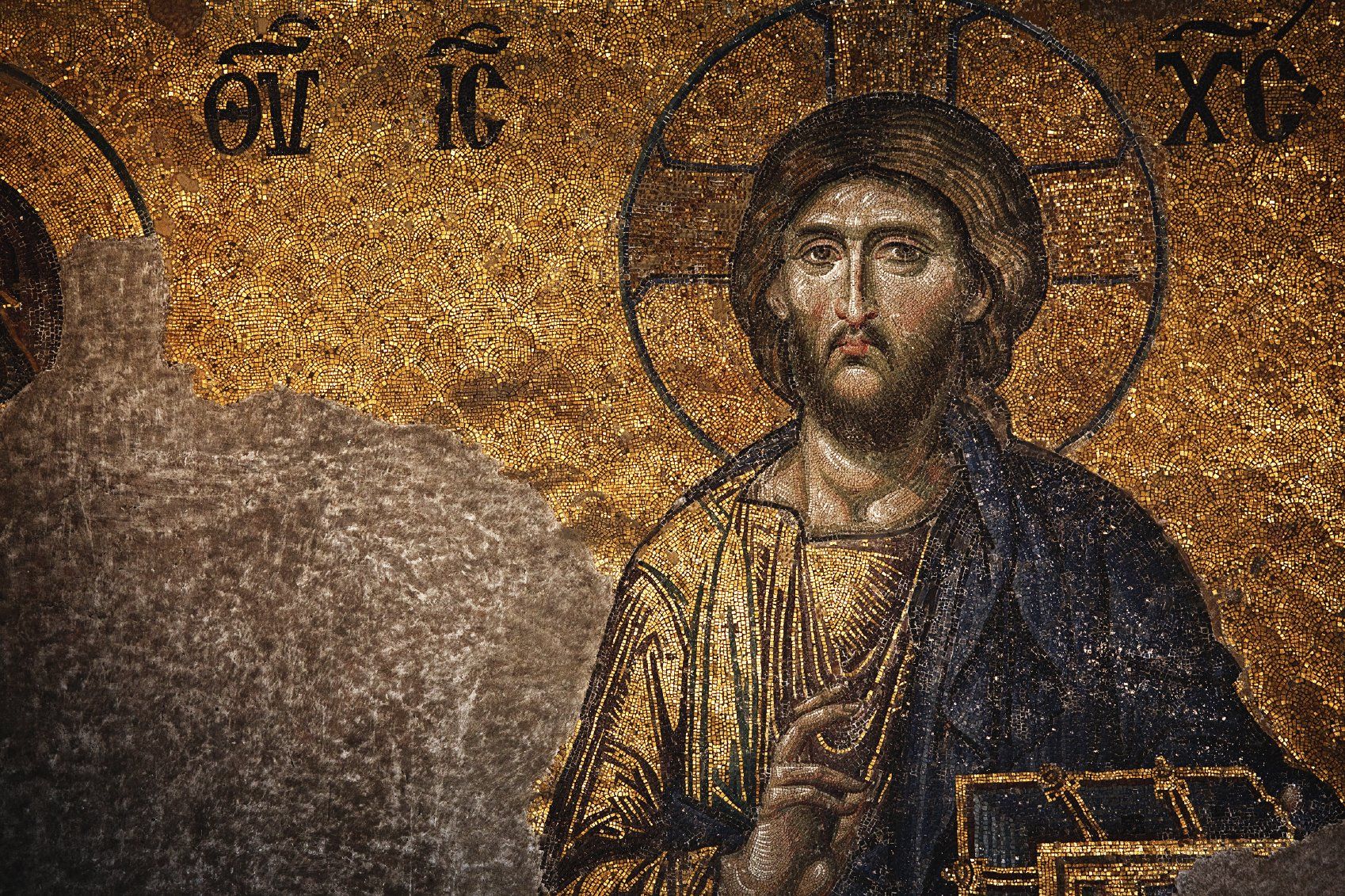
Jerusalem according to Christianity
In Christianity, Jerusalem holds central significance as the city where God’s redemptive plan through Jesus Christ unfolded. It is the place where Jesus taught, performed miracles, was crucified, buried, and resurrected, and where the Holy Spirit descended upon the apostles at Pentecost, marking the birth of the Church.
The New Testament portrays Jerusalem as a city that often rejected God’s messengers, leading to Jesus’ lament over its spiritual blindness and his prophecy of its coming destruction as judgment for unbelief.
While the physical city was exiled and experienced turmoil and devastation, Christians now view Jerusalem as an exampled consequence and primarily as a symbolic center for God’s upcoming promise.
The city’s ultimate significance is seen in the vision of the New Jerusalem in Revelation, representing eternal restoration, the fulfillment of God’s promises, and the ultimate reconciliation of humanity with God.

Jerusalem according to Judaism
In Judaism, Jerusalem is the eternal and holy city, the spiritual and political heart of the Jewish people, chosen by God as the site of His divine presence and the location of the First and Second Temples.
It is central to Jewish worship, prayer, and identity, symbolizing both covenant and aspiration, where sacrifices were offered, kings reigned, and prophets delivered God’s messages.
Jerusalem is also a place of profound sorrow and hope, having been destroyed and exiled due to the nation’s sins, yet repeatedly rebuilt and yearned for in prayer, such as in the daily Amidah and the Passover Seder.
It represents not only a physical city but a spiritual ideal of holiness, justice, and divine connection, with the hope of ultimate redemption and restoration remaining a core element of Jewish faith.

Jerusalem according to Islam
In Islam, Jerusalem (Al-Quds) is regarded as one of the most sacred cities, revered for its spiritual significance and connection to God’s prophets.
It is the site of Al-Masjid Al-Aqsa, the third holiest mosque in Islam after Mecca and Medina, and holds deep historical and religious importance.
According to Islamic tradition, the Prophet Muhammad was taken from Mecca to Jerusalem during the Night Journey (Al-Israʾ wa-Al-Miʿraj), from where he ascended to the heavens and received divine revelation.
Jerusalem was also the first qiblah, or direction of prayer, before it was changed to Mecca. The city is closely associated with many prophets mentioned in the Qur’an, including Abraham, David, Solomon, and Jesus, making it a land of continuous divine presence.
Muslims view Jerusalem as a city of barakah, or blessing, where faith, justice, and devotion to God converge, and its sanctity is respected regardless of political or social changes.
It symbolizes both spiritual elevation and moral accountability, serving as a reminder of God’s mercy and the importance of worship and righteousness.
. . . . . . To Be Continued . . . . . .
